

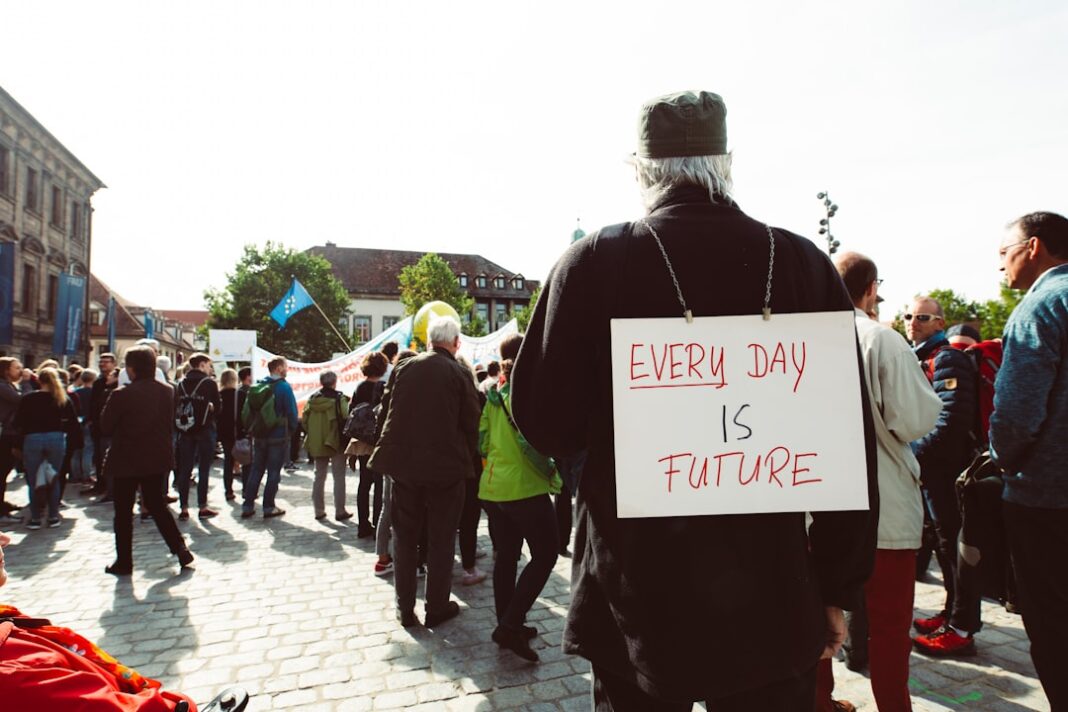
As the old adage goes, “all politics is local.” But in today’s interconnected world, it’s more accurate to say that all politics is global. With the rise of social media, 24-hour news cycles, and instantaneous communication, the world of politics has become more complex and multifaceted than ever before. From the intricacies of government policy to the passionate debates of social justice movements, politics is an integral part of our daily lives. In this blog post, we’ll delve into the world of politics, exploring its various aspects, and providing valuable insights on how to navigate and participate in the system.
Understanding the Basics of Politics
Before we dive into the complexities of politics, it’s essential to understand the basics. Politics refers to the process of making decisions for a group of people, whether it’s a local community, a state, or a country. This involves the distribution of power, resources, and values among different individuals and groups. The study of politics, also known as political science, encompasses various subfields, including political theory, comparative politics, international relations, and public policy. By grasping these fundamental concepts, you’ll be better equipped to engage with the world of politics and make informed decisions.
To get started, it’s crucial to stay informed about current events and developments in the world of politics. This can be achieved by following reputable news sources, such as The New York Times, BBC News, or NPR, and engaging with social media platforms like Twitter, Facebook, or LinkedIn. You can also explore online resources, like fact-checking websites, think tanks, and academic journals, to deepen your understanding of politics and its various facets. Some recommended keywords to search for include “political news,” “current events,” “government policy,” and “social justice movements.”
The Importance of Civic Engagement
Civic engagement is a vital aspect of politics, as it allows citizens to participate in the decision-making process and hold elected officials accountable. This can take many forms, including voting, volunteering, protesting, and contacting representatives. By engaging in these activities, you can make your voice heard, contribute to the development of public policy, and promote positive change in your community. Moreover, civic engagement can foster a sense of community and social responsibility, helping to build a more cohesive and compassionate society.
To get involved in civic engagement, start by registering to vote and exercising your right to participate in elections. You can also volunteer with local organizations, charities, or advocacy groups that align with your values and interests. Additionally, consider attending town hall meetings, joining online forums, or participating in peaceful protests to express your opinions and concerns. By taking these steps, you’ll be contributing to the democratic process and helping to shape the future of your community. Relevant keywords to search for include “civic engagement,” “voting rights,” “community service,” and “social activism.”
The Role of Media in Politics
The media plays a significant role in shaping our understanding of politics and influencing public opinion. With the rise of fake news, propaganda, and disinformation, it’s more important than ever to critically evaluate the sources of information we consume. This involves seeking out diverse perspectives, fact-checking claims, and being cautious of biased or sensationalized reporting. By doing so, you’ll be better equipped to navigate the complex media landscape and make informed decisions about the issues that matter most to you.
To stay informed about politics and current events, it’s essential to diversify your media diet. This can include following reputable news sources, subscribing to newsletters or podcasts, and engaging with social media platforms. You can also explore alternative sources of information, such as independent media outlets, academic journals, or think tanks. Some recommended keywords to search for include “media literacy,” “fact-checking,” “news sources,” and “journalism.”
The Future of Politics: Emerging Trends and Technologies
As we move forward in an increasingly interconnected world, the future of politics will be shaped by emerging trends and technologies. This includes the rise of digital politics, the impact of social media on election campaigns, and the growing importance of cybersecurity in protecting democratic institutions. By understanding these developments and their potential implications, you’ll be better positioned to navigate the evolving landscape of politics and contribute to the creation of a more just and equitable society.
To stay ahead of the curve, it’s essential to explore the latest research and insights on the future of politics. This can include reading academic journals, attending conferences or webinars, and engaging with online forums or discussion groups. You can also follow thought leaders, policymakers, or influencers on social media to stay informed about the latest developments and trends. Some recommended keywords to search for include “digital politics,” “social media and politics,” “cybersecurity,” and “emerging technologies.”
In conclusion, the world of politics is complex, multifaceted, and constantly evolving. By understanding the basics of politics, engaging in civic activities, critically evaluating media sources, and staying informed about emerging trends and technologies, you’ll be well-equipped to navigate this world and make your voice heard. Remember, politics is not just about governments and institutions – it’s about people, communities, and the values we hold dear. By participating in the democratic process and promoting positive change, you can help create a brighter future for yourself, your community, and the world at large. Key takeaways include the importance of staying informed, engaging in civic activities, and critically evaluating media sources. By doing so, you’ll be contributing to a more just, equitable, and compassionate society.