

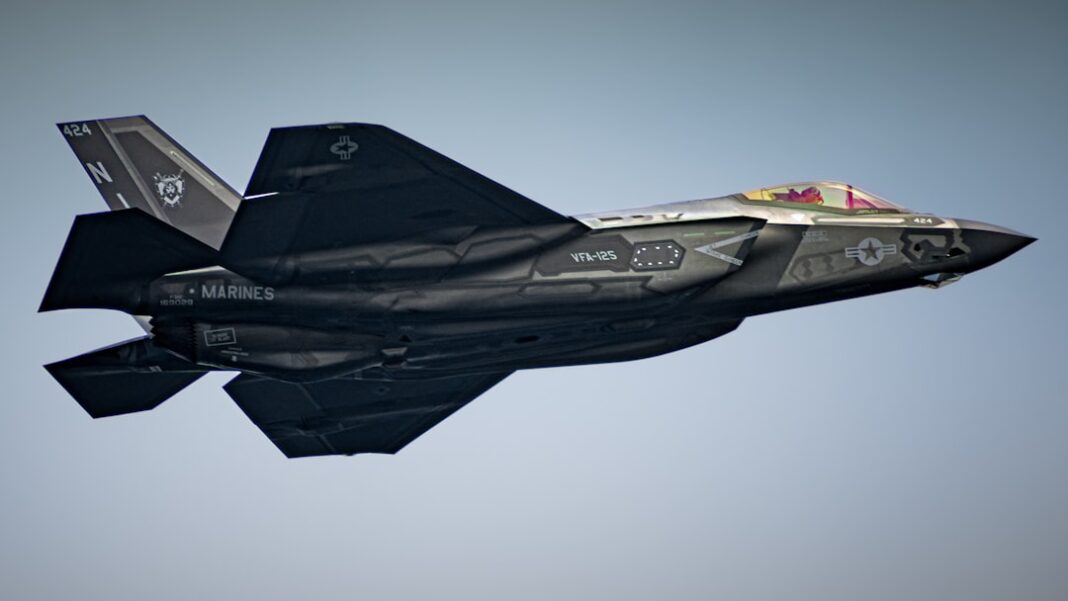
The military is an integral part of any country’s defense system, comprising brave men and women who put their lives on the line to protect their nation and its people. From the ancient armies of Rome to the modern-day special forces, the military has evolved significantly over the centuries, adapting to new technologies, strategies, and global threats. As we delve into the world of military, we’ll explore the various branches, careers, training, and operations that make up this complex and fascinating institution. Whether you’re a history buff, a patriot, or simply someone interested in learning more about the military, this comprehensive guide has got you covered.
Introduction to the Military Branches
The military is divided into several branches, each with its unique role, responsibilities, and areas of expertise. The main branches include the Army, Navy, Air Force, Marine Corps, and Coast Guard. The Army is responsible for land-based operations, while the Navy and Coast Guard focus on sea-based operations. The Air Force, on the other hand, is responsible for air-based operations, including combat, transport, and reconnaissance missions. The Marine Corps is a rapid-response force that specializes in amphibious assaults and ground combat. Understanding the different branches and their roles is essential for anyone interested in pursuing a career in the military or simply wanting to learn more about the institution.
For those interested in joining the military, it’s essential to research and choose a branch that aligns with their skills, interests, and career goals. Each branch has its unique culture, training programs, and career paths, so it’s crucial to find the right fit. The military also offers various career options, including combat roles, support roles, and administrative roles. From military intelligence and cybersecurity to healthcare and logistics, the military provides a wide range of career opportunities for individuals with diverse skills and backgrounds. By exploring the different branches and career options, individuals can make informed decisions about their military career and find a role that suits their strengths and interests.
Military Training and Education
Military training is a critical component of any military career, providing individuals with the skills, knowledge, and physical conditioning needed to perform their duties effectively. Basic training, also known as boot camp, is the initial training program that new recruits undergo, teaching them the fundamentals of military life, including discipline, teamwork, and combat skills. Advanced training programs, such as officer training and specialized courses, provide individuals with the expertise needed to excel in their chosen careers. The military also offers various education programs, including degree programs, vocational training, and certification courses, to help individuals advance their careers and achieve their personal goals.
In addition to formal training programs, the military also emphasizes the importance of physical fitness, mental toughness, and leadership development. Military personnel are expected to maintain a high level of physical fitness, adhering to strict standards for body fat percentage, running times, and other physical metrics. Mental toughness is also essential, as military personnel often face challenging and stressful situations, requiring them to remain focused, calm, and composed under pressure. Leadership development is another critical aspect of military training, providing individuals with the skills and confidence needed to lead teams, make decisions, and inspire others. By emphasizing these values, the military creates a culture of excellence, camaraderie, and esprit de corps that is unparalleled in many civilian organizations.
Military Operations and Technology
Military operations involve a range of activities, from combat and peacekeeping to humanitarian assistance and disaster relief. Modern military operations rely heavily on technology, including advanced communication systems, surveillance drones, and precision-guided munitions. The military also uses various tactics, techniques, and procedures (TTPs) to achieve its objectives, including maneuver warfare, asymmetric warfare, and network-centric warfare. Understanding these concepts is essential for anyone interested in military strategy, operations, and technology.
The military is also at the forefront of innovation, investing heavily in research and development to stay ahead of emerging threats and technologies. From artificial intelligence and cybersecurity to hypersonic missiles and stealth aircraft, the military is constantly evolving to meet the challenges of the 21st century. The use of unmanned aerial vehicles (UAVs), also known as drones, has revolutionized military operations, providing real-time intelligence, surveillance, and reconnaissance (ISR) capabilities. The military is also exploring the use of autonomous systems, such as self-driving vehicles and robotic systems, to enhance its operational capabilities and reduce the risk of casualties.
Conclusion and Key Takeaways
In conclusion, the military is a complex and fascinating institution that plays a vital role in protecting national security and interests. From the various branches and career options to the training programs and operations, there’s a wealth of information to explore and learn. Whether you’re a prospective recruit, a veteran, or simply someone interested in the military, this guide has provided valuable insights and information to help you navigate the world of military. The key takeaways from this article include:
- The military is divided into several branches, each with its unique role, responsibilities, and areas of expertise.
- Military training and education are critical components of any military career, providing individuals with the skills, knowledge, and physical conditioning needed to perform their duties effectively.
- Military operations involve a range of activities, from combat and peacekeeping to humanitarian assistance and disaster relief, relying heavily on technology and tactics, techniques, and procedures (TTPs).
- The military is at the forefront of innovation, investing heavily in research and development to stay ahead of emerging threats and technologies.
- Understanding the military and its various aspects is essential for anyone interested in pursuing a career in the military or simply wanting to learn more about this institution.
By understanding the military and its various aspects, we can appreciate the sacrifices and contributions of the brave men and women who serve in uniform, defending our nation and its people. Whether you’re interested in joining the military or simply want to learn more about this institution, we hope this comprehensive guide has provided valuable insights and information to help you on your journey.