—
Introduction – Why the World Captivates Us
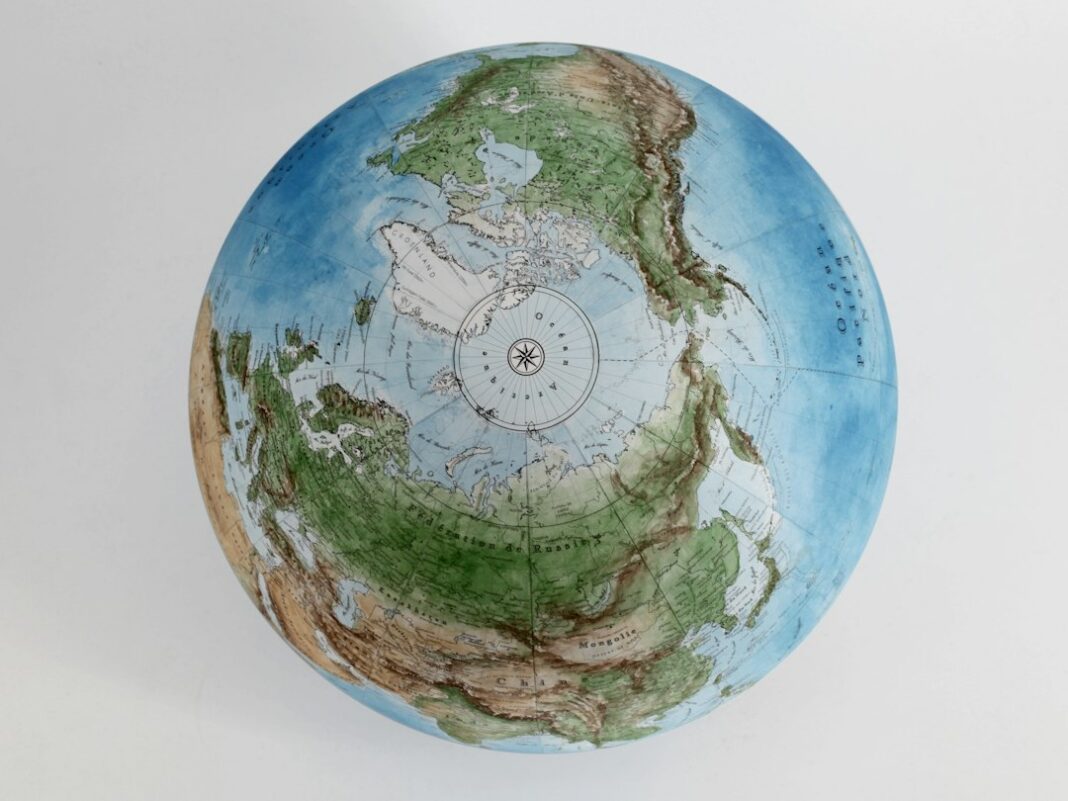
Have you ever stared at a globe, traced a finger across continents, and felt a sudden urge to pack a bag and set off on an adventure? That spark of curiosity is something we all share—a deep‑seated fascination with the planet we call home. From towering mountain ranges to bustling megacities, from ancient traditions to cutting‑edge technology, the world is a tapestry of stories waiting to be explored. In this post, we’ll take a panoramic tour of the planet, breaking it down into four compelling sections that blend geography, culture, nature, and innovation. Whether you’re a seasoned traveler, a student of global affairs, or simply someone who loves learning new facts, you’ll find actionable insights and practical tips to deepen your connection with the world around you.
—
1. Geography 101: Understanding the Planet’s Physical Layout
1.1. Mapping the Major Regions
The first step to truly appreciating the world is getting comfortable with its basic layout. The Earth is divided into seven continents—Asia, Africa, North America, South America, Antarctica, Europe, and Australia (or Oceania). Each continent hosts distinct climate zones, geological features, and population densities.
Actionable tip: Grab a physical or digital map and highlight one country per continent that you know little about. Research its capital, major language, and one natural landmark. This quick exercise builds geographic literacy and sparks future travel ideas.
1.2. Climate Zones and Their Impact
From the frigid tundra of Siberia to the sweltering Sahara desert, climate shapes everything—from agriculture to architecture. The Köppen climate classification (tropical, arid, temperate, continental, polar) helps scientists predict weather patterns and plan sustainable development.
Actionable tip: Use a climate‑zone map to identify the climate of your hometown. Then, compare it with a city in a contrasting zone (e.g., Reykjavik vs. Bangkok). Notice how daily life, clothing, and food differ—these observations deepen cultural empathy.
1.3. Natural Resources and Global Trade
Oil in the Middle East, copper in Chile, and rare earth minerals in China are the lifeblood of modern economies. Understanding where resources are located explains why certain regions hold geopolitical power.
Actionable tip: Follow a “resource trail” for a product you use daily—like a smartphone. Trace the raw materials (lithium from Bolivia, cobalt from the Democratic Republic of Congo, silicon from the U.S.) to see how interconnected our world truly is.
—
2. Cultural Mosaic: The People Who Shape the World
2.1. Languages – The World’s Voice
There are roughly 7,000 living languages, but just 23 account for half of the global population. Mandarin, Spanish, English, Hindi, and Arabic dominate the linguistic landscape. Yet, endangered languages hold unique worldviews and knowledge systems.
Actionable tip: Learn a simple greeting in three new languages each month. Apps like Duolingo or Memrise make it easy, and you’ll instantly feel more connected when traveling or chatting online.
2.2. Traditions and Festivals
From Brazil’s vibrant Carnaval to India’s colorful Holi, festivals reveal values, history, and community spirit. They also boost local economies through tourism.
Actionable tip: Add one international festival to your calendar. Attend a virtual celebration, watch documentaries, or try cooking a traditional dish associated with the event. This hands‑on approach enriches cultural appreciation.
2.3. Food as a Cultural Bridge
Cuisine is perhaps the most accessible cultural entry point. Think of sushi (Japan), tacos (Mexico), and tagine (Morocco). Food tells stories of geography, trade routes, and adaptation.
Actionable tip: Once a month, pick a country you’ve never visited and recreate a classic recipe at home. Document the process with photos and share it on social media—invite friends to join the culinary exploration.
—
3. Nature’s Wonders: Preserving the Planet’s Beauty
3.1. Biodiversity Hotspots
Only 2.5% of Earth’s land hosts more than half of its species. The Amazon rainforest, the Congo Basin, and the Coral Triangle are critical for ecological balance, climate regulation, and medical discoveries.
Actionable tip: Support reputable conservation organizations that protect these hotspots. Even a modest monthly donation or sharing their campaigns amplifies impact.
3.2. Climate Change – A Global Challenge
Rising sea levels, extreme weather, and shifting ecosystems are no longer distant forecasts—they’re happening now. Mitigation (reducing emissions) and adaptation (building resilient infrastructure) require worldwide cooperation.
Actionable tip: Conduct a personal carbon footprint audit using free online calculators. Identify three areas where you can reduce emissions—such as switching to renewable energy, using public transport, or adopting a plant‑based diet—and set measurable goals for the next six months.
3.3. Sustainable Travel Practices
Travel fuels economies but can also strain environments. Eco‑friendly choices—like choosing certified green hotels, offsetting flight emissions, and respecting local wildlife—make a difference.
Actionable tip: When planning your next trip, use platforms that rank destinations based on sustainability metrics (e.g., Sustainable Travel International). Pack reusable items (water bottle, bamboo utensils) to minimize waste on the road.
—
4. Innovation & Connectivity: How Technology Is Shrinking the World
4.1. The Rise of Digital Connectivity
Internet penetration now exceeds 65% globally, linking people across continents in real time. Social media, video conferencing, and e‑learning have democratized access to information.
Actionable tip: Join an online community focused on a global issue you care about (climate action, human rights, language exchange). Participate in discussions, share resources, and collaborate on projects that transcend borders.
4.2. Space Exploration – A New Frontier
From the International Space Station to private ventures like SpaceX, humanity’s reach beyond Earth is expanding. Satellite technology improves weather forecasting, navigation, and disaster response.
Actionable tip: Follow a live satellite launch or watch a virtual tour of the ISS. Use free apps (e.g., Heavens‑Above) to track satellites and learn how they benefit everyday life on Earth.
4.3. Global Health Innovations
The COVID‑19 pandemic highlighted the importance of rapid vaccine development, telemedicine, and global health cooperation. Emerging technologies—CRISPR gene editing, AI diagnostics, and portable labs—promise faster responses to future health crises.
Actionable tip: Stay informed through reputable sources like the World Health Organization or CDC. Support initiatives that provide medical supplies to underserved regions, either through donations or volunteering with NGOs.
—
Conclusion – Key Takeaways for a World‑Savvy Mindset
1. Geography is the foundation – Knowing where places are, their climates, and resources helps you understand global dynamics.
2. Culture connects us – Languages, festivals, and food are gateways to empathy and shared humanity.
3. Nature demands stewardship – Protecting biodiversity, combating climate change, and traveling responsibly safeguard the planet for future generations.
4. Innovation bridges gaps – Digital connectivity, space exploration, and health tech are shrinking distances and solving worldwide challenges.
By actively engaging with each of these pillars—whether you’re mapping a new country, learning a greeting, reducing your carbon footprint, or joining a global online forum—you become a more informed, compassionate, and proactive global citizen. The world is vast, but with curiosity and purposeful action, you can explore its wonders without ever leaving your home base. So, what’s the next step on your personal world‑tour? Start small, stay consistent, and watch the planet’s richness unfold before you. Happy exploring!