—
Introduction – Why Health Matters More Than Ever
Imagine waking up each morning feeling energized, focused, and ready to tackle whatever the day throws at you. That’s the promise of optimal health—a state that goes far beyond the absence of disease. In today’s fast‑paced world, where screens dominate and stress is a constant companion, taking charge of your well‑being is both a personal necessity and a powerful act of self‑care. This post dives deep into the core pillars of health, offering actionable strategies you can start using today to boost your physical, mental, and emotional vitality. Whether you’re a busy professional, a parent juggling a household, or simply someone who wants to feel better, the insights below are designed to fit real life—no extreme diets or impossible workout regimens required.
—
1. Nutrition: Fuel Your Body the Right Way
1.1 Embrace Whole Foods, Not Fad Diets
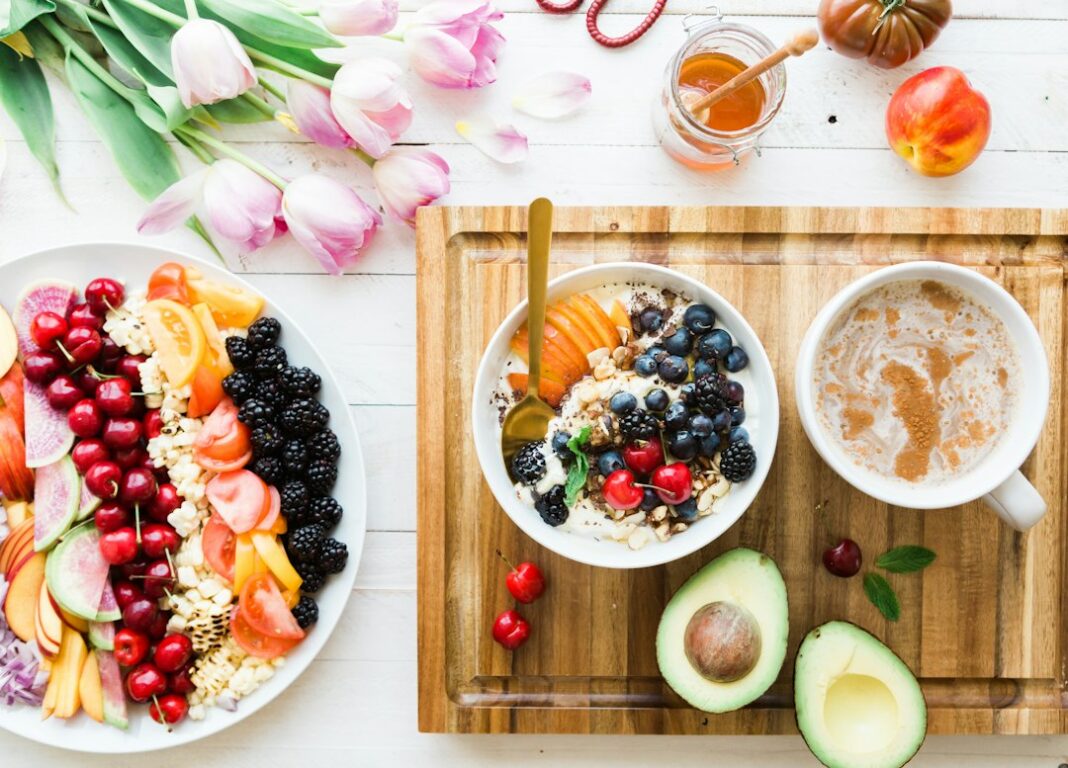
The foundation of good health starts on your plate. Instead of chasing the latest “quick‑fix” diet, focus on whole, minimally processed foods: fresh vegetables, fruits, lean proteins, whole grains, nuts, and seeds. These foods provide essential micronutrients—vitamins, minerals, antioxidants—that support immune function, hormone balance, and cellular repair.
Action Steps:
1. Create a “rainbow” plate at each meal—include at least three different colored vegetables or fruits.
2. Swap refined carbs (white bread, sugary cereals) for complex carbs like quinoa, oats, or sweet potatoes.
3. Plan a weekly grocery list that prioritizes the perimeter of the store (produce, meat, dairy) and limits aisles stocked with processed snacks.
1.2 Master Portion Control Without Counting Calories
Overeating, even healthy foods, can hinder weight management and energy levels. Use simple visual cues: a palm‑sized portion of protein, a fist‑sized serving of carbs, and two cupped hands of vegetables.
Action Steps:
- Plate Method: Fill half your plate with non‑starchy veggies, a quarter with lean protein, and a quarter with whole grains or starchy veg.
- Mindful Eating: Put your fork down between bites, chew thoroughly, and savor flavors—this reduces the tendency to binge.
- Carry a reusable water bottle and set a reminder to take a sip every 30 minutes.
- Add natural flavor with cucumber slices, mint, or citrus to make hydration enjoyable.
- Set a step goal (e.g., 7,500 steps) and track it with a phone app or smartwatch.
- Use the “2‑minute rule”: If a workout feels daunting, commit to just two minutes; momentum often carries you further.
- Aim for 7‑9 hours of quality sleep; maintain a consistent bedtime routine.
- Incorporate foam rolling or gentle stretching on rest days to improve circulation and reduce soreness.
- Start with 5 minutes of guided meditation each morning (apps like Insight Timer or Calm are free).
- Use the 4‑7‑8 breathing technique during stressful moments: inhale 4 seconds, hold 7, exhale 8.
- Schedule a weekly coffee chat (in‑person or virtual) with a friend or family member.
- Join a community group—book club, sports league, or volunteering—to expand your support network.
- Implement a “screen‑free hour” before bedtime; replace it with reading or journaling.
- Designate tech‑free zones (e.g., dinner table) to foster real‑world connection.
- Keep a personal health calendar (Google Calendar or a paper planner) to note vaccine due dates.
- Ask your primary care provider about age‑appropriate immunizations during annual visits.
- Schedule these appointments proactively; many clinics offer online booking for convenience.
- Log one health metric per day (e.g., steps, water intake) for 30 days to identify patterns.
- Review the data monthly and set micro‑goals (e.g., increase weekly step count by 500).
- Eat a colorful, whole‑food diet and practice portion mindfulness.
- Incorporate cardio, strength, and flexibility into weekly routines; prioritize sleep.
- Manage stress with daily mindfulness and nurture social connections.
- Stay proactive with vaccines, screenings, and a simple health tracking system.
1.3 Hydration: The Unsung Hero
Dehydration often masquerades as fatigue, headaches, or even mild anxiety. Aim for 2‑3 liters of water per day, adjusting for activity level and climate.
Action Steps:
—
2. Physical Activity: Move More, Sit Less
2.1 Build a Balanced Exercise Routine
A well‑rounded fitness plan includes cardiovascular training, strength training, and flexibility work. You don’t need a gym membership; bodyweight moves, brisk walks, or online classes can be just as effective.
Action Steps:
| Goal | Frequency | Sample Activities |
|——|———–|——————-|
| Cardio | 3‑5 times/week (30 min) | Brisk walking, cycling, dancing |
| Strength | 2‑3 times/week (20‑30 min) | Push‑ups, squats, resistance bands |
| Flexibility | Daily (5‑10 min) | Yoga, dynamic stretching, foam rolling |
2.2 Make Movement a Habit, Not a Chore
Integrate activity into daily routines: take stairs instead of elevators, park farther from the office, or schedule “walking meetings.” Small increments add up to big health gains.
Action Steps:
2.3 Recovery: Rest Is Part of the Process
Overtraining can lead to injuries and burnout. Prioritize sleep, active recovery, and stress‑relieving practices.
Action Steps:
—
3. Mental Well‑Being: Train Your Mind Like a Muscle
3.1 Practice Mindfulness and Stress Management
Chronic stress spikes cortisol, which can impair digestion, sleep, and immune health. Mindfulness techniques—breathing exercises, meditation, or simply pausing to notice your surroundings—reset the nervous system.
Action Steps:
3.2 Cultivate Positive Social Connections
Strong relationships are linked to lower mortality rates and better mental health. Even brief, meaningful interactions boost oxytocin, the “feel‑good” hormone.
Action Steps:
3.3 Digital Detox: Protect Your Brain
Constant screen time can disrupt sleep, increase anxiety, and reduce attention span.
Action Steps:
—
4. Preventive Health: Screening, Vaccines, and Routine Check‑Ups
4.1 Stay Up‑To‑Date with Immunizations
Vaccines aren’t just for children. Flu shots, COVID‑19 boosters, shingles, and pneumonia vaccines protect adults of all ages.
Action Steps:
4.2 Regular Screenings Save Lives
Early detection of conditions such as hypertension, diabetes, and certain cancers dramatically improves outcomes.
Action Steps:
| Test | Recommended Frequency | Typical Starting Age |
|——|———————–|———————-|
| Blood pressure | Every 1‑2 years | 18+ |
| Cholesterol | Every 4‑6 years | 20+ |
| Colonoscopy | Every 10 years | 45+ |
| Mammogram | Every 2 years | 40+ |
| Pap smear | Every 3 years | 21+ |
4.3 Build a Personal Health Dashboard
Track key metrics—weight, resting heart rate, sleep quality, mood—using a simple spreadsheet or health app. Trends reveal what’s working and where adjustments are needed.
Action Steps:
—
Conclusion – Your Roadmap to Lasting Health
Achieving vibrant health isn’t a single‑time event; it’s a series of small, sustainable choices that compound over time. By:
1. Nourishing your body with whole foods and proper hydration,
2. Moving consistently while honoring rest,
3. Supporting your mind through mindfulness, relationships, and digital balance, and
4. Preventing illness with regular screenings and vaccinations,
you create a resilient foundation that empowers you to thrive in every area of life. Remember, the journey is personal—experiment with the strategies above, listen to your body, and adjust as needed.
Key Takeaways
Start today with one tiny habit—perhaps swapping a sugary snack for a piece of fruit, or adding a 10‑minute walk after dinner. Small steps lead to big transformations. Here’s to a healthier, happier you!