

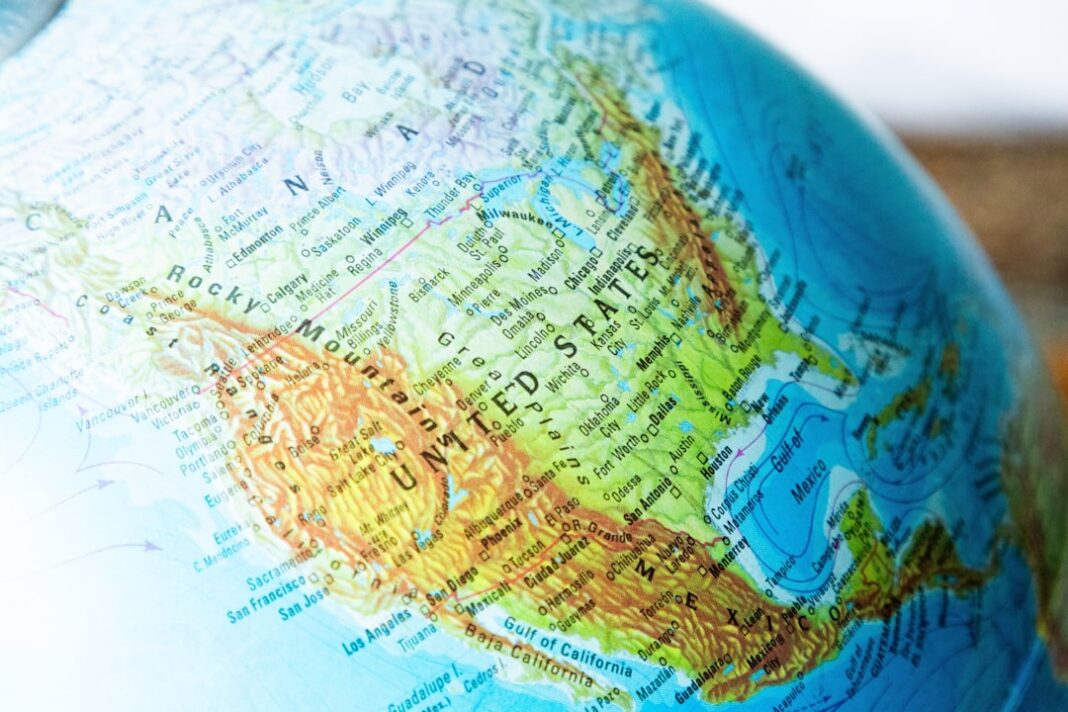
In today’s interconnected world, the concept of “global” has become an integral part of our daily lives. From international business transactions to social media connections, the lines between geographical boundaries have blurred, giving rise to a global village. As we navigate this complex and ever-evolving landscape, it’s essential to understand the intricacies of globalization and its far-reaching implications. In this blog post, we’ll delve into the world of global connections, exploring the benefits, challenges, and opportunities that come with being a part of this vast, interconnected network.
Understanding Globalization: The Good, the Bad, and the Ugly
Globalization is often viewed as a double-edged sword. On one hand, it has opened up new avenues for economic growth, cultural exchange, and technological advancements. The internet, in particular, has played a significant role in bridging the gap between nations, enabling global communication, and facilitating international trade. According to a report by the International Trade Centre, global e-commerce sales reached $4.2 trillion in 2020, with an expected growth rate of 14.3% per annum. This phenomenon has created new opportunities for businesses, entrepreneurs, and individuals to connect with a global audience, fostering innovation and competition.
On the other hand, globalization has also been criticized for its negative consequences, including job displacement, cultural homogenization, and environmental degradation. The outsourcing of jobs to countries with lower labor costs has led to unemployment and economic instability in some regions. Moreover, the dominance of global brands has threatened local cultures and traditions, contributing to the loss of cultural diversity. As we navigate the complexities of globalization, it’s crucial to acknowledge both the benefits and drawbacks, striving to create a more equitable and sustainable global economy.
Navigating Global Markets: Strategies for Success
For businesses and entrepreneurs looking to expand their reach globally, it’s essential to develop a deep understanding of international markets, cultural nuances, and regulatory frameworks. Conducting thorough market research, analyzing consumer behavior, and adapting products or services to meet local needs are critical steps in establishing a successful global presence. Additionally, building strategic partnerships with local businesses, investing in digital marketing, and leveraging social media platforms can help companies navigate the complexities of global markets.
One key strategy for success is to focus on emerging markets, which offer vast opportunities for growth and expansion. According to a report by the World Economic Forum, emerging markets are expected to account for 50% of global GDP by 2030. Countries such as China, India, and Brazil are driving economic growth, with a growing middle class and increasing demand for goods and services. By understanding the unique characteristics of these markets and developing tailored strategies, businesses can tap into the vast potential of emerging economies.
Global Citizenship: Embracing Cultural Diversity and Social Responsibility
As individuals and organizations, we have a responsibility to contribute to the global community, promoting cultural understanding, social justice, and environmental sustainability. Global citizenship involves embracing cultural diversity, recognizing the interconnectedness of our world, and taking action to address global challenges. This can involve volunteering, donating to charitable causes, or supporting organizations that work towards creating positive social change.
In the digital age, social media has become a powerful tool for promoting global citizenship, enabling us to connect with people from diverse backgrounds, share ideas, and mobilize support for social causes. Hashtag campaigns, online petitions, and crowdfunding platforms have democratized social activism, allowing individuals to make a meaningful impact on a global scale. By embracing our role as global citizens, we can work towards creating a more just, equitable, and sustainable world.
The Future of Globalization: Trends, Challenges, and Opportunities
As we look to the future, it’s clear that globalization will continue to shape our world, presenting both opportunities and challenges. Emerging trends such as artificial intelligence, blockchain, and the Internet of Things (IoT) will transform global industries, creating new job opportunities and driving economic growth. However, these technologies also raise important questions about job displacement, data privacy, and cybersecurity.
To navigate the complexities of a rapidly changing global landscape, it’s essential to stay informed, adapt to new trends, and develop a lifelong learning mindset. Governments, businesses, and individuals must work together to address the challenges of globalization, promoting fair trade practices, protecting the environment, and ensuring that the benefits of globalization are shared equitably. By embracing the opportunities and challenges of a connected world, we can create a brighter, more sustainable future for all.
In conclusion, the concept of “global” is multifaceted, encompassing economic, cultural, and social dimensions. As we navigate the complexities of a connected world, it’s essential to understand the benefits and drawbacks of globalization, develop strategies for success in global markets, and embrace our role as global citizens. By working together, we can create a more just, equitable, and sustainable world, where the opportunities and challenges of globalization are shared by all. Key takeaways from this blog post include:
- Globalization is a complex and multifaceted phenomenon, presenting both opportunities and challenges.
- Understanding international markets, cultural nuances, and regulatory frameworks is crucial for businesses and entrepreneurs looking to expand globally.
- Embracing cultural diversity, social responsibility, and environmental sustainability is essential for promoting global citizenship.
- Staying informed, adapting to new trends, and developing a lifelong learning mindset are critical for navigating the complexities of a rapidly changing global landscape.
By embracing the global village and working together, we can create a brighter, more sustainable future for all, where the benefits of globalization are shared equitably and the challenges are addressed with collective action and responsibility.