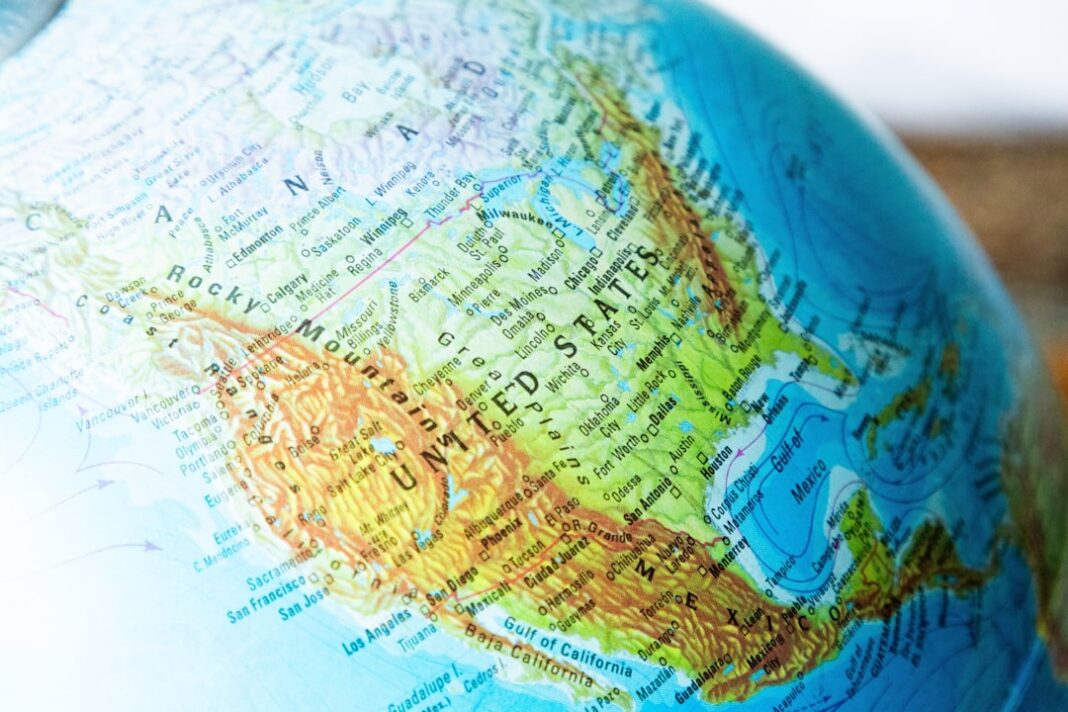


In today’s interconnected world, the concept of “global” has become more than just a geographical term. It’s a mindset, a way of thinking, and a strategy for success. As the world becomes increasingly interconnected, businesses, individuals, and communities are recognizing the importance of embracing a global perspective. But what does it mean to be global, and how can you tap into the vast opportunities that come with it? In this blog post, we’ll delve into the world of global thinking, exploring its benefits, challenges, and practical applications. Whether you’re a business leader, entrepreneur, or simply a curious individual, get ready to discover the power of going global.
Understanding the Global Landscape
The global landscape is complex and multifaceted, comprising diverse cultures, economies, and technologies. To navigate this landscape effectively, it’s essential to understand the key trends and drivers shaping our world. One of the most significant trends is globalization, which refers to the increasing interconnectedness of the world’s economies, societies, and cultures. Globalization has created new opportunities for trade, investment, and collaboration, but it also presents challenges, such as cultural and linguistic barriers, economic inequality, and environmental degradation.
To succeed in this global landscape, it’s crucial to develop a deep understanding of the cultural, economic, and technological nuances that shape different regions and markets. This requires a willingness to learn, adapt, and innovate, as well as a commitment to building strong relationships with people from diverse backgrounds. By embracing this global mindset, you can unlock new opportunities, foster creativity and innovation, and contribute to the creation of a more interconnected and prosperous world.
Building a Global Business
For businesses, going global can be a game-changer, offering access to new markets, customers, and talent. However, it also requires careful planning, strategic thinking, and a deep understanding of the local market conditions. To build a successful global business, you need to consider factors such as market research, cultural adaptation, and regulatory compliance. You must also be prepared to invest in technology, infrastructure, and human capital to support your global operations.
One of the most effective ways to build a global business is to leverage digital technologies, such as e-commerce platforms, social media, and cloud computing. These technologies enable you to reach customers, collaborate with partners, and manage operations remotely, regardless of geographical location. Additionally, you can use data analytics and market research to gain insights into local market trends, consumer behavior, and competitor activity, helping you to make informed decisions and stay ahead of the competition.
Developing a Global Skillset
In today’s global economy, having a global skillset is essential for personal and professional success. This includes skills such as language proficiency, cultural competence, and digital literacy. To develop a global skillset, you can pursue international education, training, and certification programs, such as MBA, international business, or language courses. You can also participate in global networking events, conferences, and workshops to connect with people from diverse backgrounds and industries.
Moreover, you can leverage online resources, such as MOOCs (Massive Open Online Courses), podcasts, and blogs, to learn about global issues, trends, and best practices. By developing a global skillset, you can enhance your career prospects, increase your earning potential, and contribute to the creation of a more interconnected and prosperous world. Whether you’re a student, professional, or entrepreneur, investing in your global skillset can open doors to new opportunities and experiences that can transform your life.
Navigating Global Challenges
Despite the many benefits of going global, there are also challenges to navigate, such as cultural and linguistic barriers, economic inequality, and environmental degradation. To overcome these challenges, it’s essential to develop a deep understanding of the local context, build strong relationships with local stakeholders, and adopt a flexible and adaptable approach. You must also be prepared to invest in sustainability initiatives, social responsibility programs, and community development projects to contribute to the well-being of the local community.
Furthermore, you can leverage global frameworks, such as the United Nations’ Sustainable Development Goals (SDGs), to guide your decision-making and ensure that your global activities are aligned with the greater good. By navigating global challenges effectively, you can minimize risks, maximize opportunities, and create long-term value for your business, community, and the world at large.
Conclusion and Key Takeaways
In conclusion, embracing a global mindset is essential for success in today’s interconnected world. By understanding the global landscape, building a global business, developing a global skillset, and navigating global challenges, you can unlock new opportunities, foster creativity and innovation, and contribute to the creation of a more prosperous and sustainable world. The key takeaways from this blog post are:
- Develop a deep understanding of the global landscape, including cultural, economic, and technological trends.
- Build a global business by leveraging digital technologies, market research, and strategic thinking.
- Invest in your global skillset, including language proficiency, cultural competence, and digital literacy.
- Navigate global challenges by adopting a flexible and adaptable approach, investing in sustainability initiatives, and contributing to the well-being of local communities.
- Leverage global frameworks, such as the SDGs, to guide your decision-making and ensure that your global activities are aligned with the greater good.
By applying these key takeaways, you can unlock the power of going global and create a brighter future for yourself, your business, and the world. Remember, in today’s interconnected world, being global is no longer a choice – it’s a necessity. So, embark on this global journey, and get ready to discover new opportunities, challenges, and experiences that can transform your life and the world around you.