

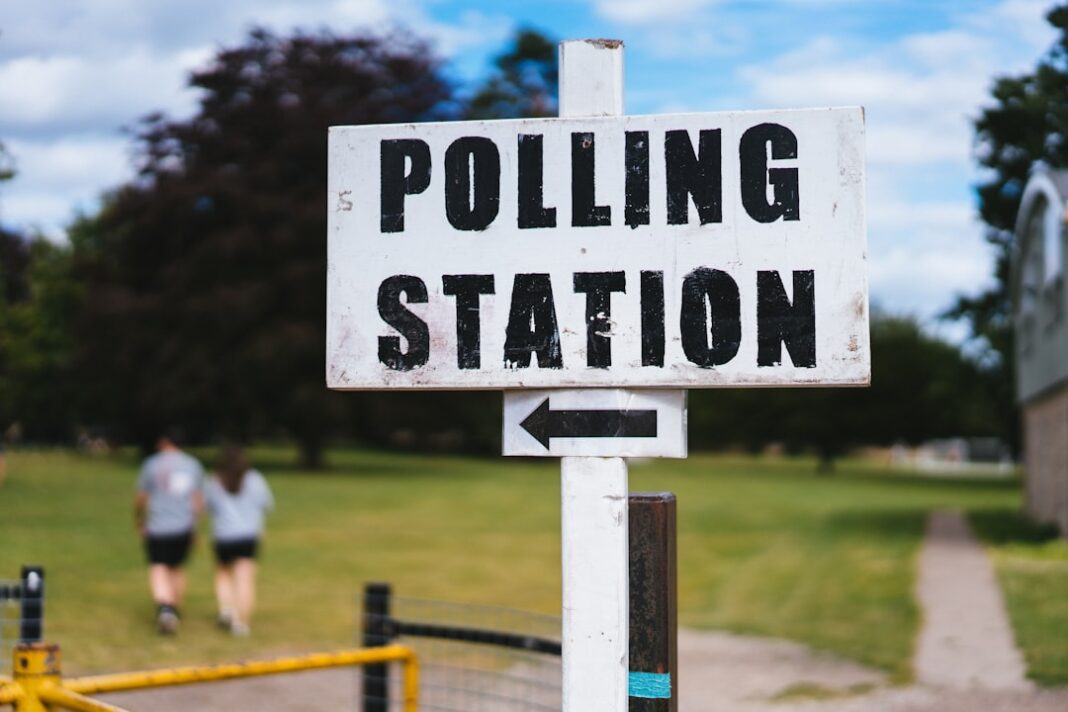
As the old adage goes, “politics is a dirty game.” But is it really? Or is it just a complex system that we’ve yet to fully understand? With the rise of social media, 24-hour news cycles, and an increasingly polarized society, it’s easy to get caught up in the drama and controversy that surrounds politics. However, as citizens, it’s essential that we take a step back, educate ourselves, and make informed decisions about the issues that affect our lives. In this blog post, we’ll delve into the world of politics, exploring its inner workings, the role of citizens, and the ways in which we can make a positive impact.
Understanding the Basics of Politics
Before we dive into the nitty-gritty of politics, it’s essential to understand the basics. Politics is the process by which a society makes decisions, allocates resources, and exercises power. It involves the interaction of individuals, groups, and institutions, all of which have their own interests, values, and agendas. In a democratic system, citizens have the power to participate in the decision-making process through voting, activism, and other forms of engagement. However, with great power comes great responsibility, and it’s crucial that we understand the complexities of the system before we can make a meaningful impact.
One of the key concepts in politics is the idea of governance. Governance refers to the way in which a society is organized and managed, including the institutions, laws, and policies that shape our lives. Good governance is essential for ensuring that power is exercised in a fair, transparent, and accountable manner. This is where citizens come in – by participating in the democratic process, we can hold our leaders accountable, demand transparency, and push for policies that benefit the greater good. As we’ll explore later, this can involve everything from voting and volunteering to activism and advocacy.
The Role of Citizens in Politics
So, what can citizens do to make a positive impact in the world of politics? The answer is simple: get involved. Voting is one of the most fundamental ways to participate in the democratic process, and it’s essential that we exercise this right. However, voting is just the beginning. Citizens can also engage in activism, volunteering, and advocacy to raise awareness about issues that matter to them. This can involve everything from participating in protests and rallies to contacting elected officials and signing petitions.
Another critical aspect of citizen engagement is education. By staying informed about current events, politics, and social issues, we can make informed decisions about the issues that affect our lives. This involves seeking out credible sources of information, critical thinking, and analysis. In today’s digital age, it’s easier than ever to access information and connect with others who share our interests and values. However, it’s essential that we’re mindful of the sources we trust and the information we consume, as misinformation and disinformation can have serious consequences.
Making a Positive Impact in Politics
So, how can we make a positive impact in the world of politics? The answer is multifaceted, but it starts with education and awareness. By understanding the issues that affect our lives and the ways in which we can participate in the democratic process, we can begin to make a difference. This can involve volunteering for campaigns, participating in advocacy groups, or simply engaging in conversations with others about the issues that matter.
Another critical aspect of making a positive impact is activism. Activism involves taking action to bring about change, whether through protests, rallies, or other forms of direct action. While activism can be controversial, it’s a powerful way to raise awareness about issues and push for policy changes. However, it’s essential that we approach activism in a responsible and respectful manner, recognizing the rights and dignity of all individuals involved.
The Future of Politics: Trends and Challenges
As we look to the future, it’s clear that the world of politics is evolving rapidly. The rise of social media, digital technologies, and global connectivity has transformed the way we engage with politics, access information, and interact with others. However, these trends also present challenges, from the spread of misinformation to the erosion of trust in institutions.
One of the key trends shaping the future of politics is the increasing polarization of society. As we become more divided, it’s essential that we find ways to bridge the gap and engage in constructive dialogue. This involves listening to others, seeking common ground, and working towards solutions that benefit the greater good. By doing so, we can build a more inclusive, equitable, and just society for all.
Conclusion: Key Takeaways and Call to Action
In conclusion, the world of politics is complex, multifaceted, and ever-evolving. As citizens, it’s essential that we take an active role in the democratic process, educating ourselves, engaging with others, and making informed decisions about the issues that affect our lives. By doing so, we can build a more just, equitable, and prosperous society for all.
The key takeaways from this blog post are clear:
- Education and awareness are critical for making informed decisions about politics and social issues.
- Citizens have the power to participate in the democratic process through voting, activism, and advocacy.
- Activism and engagement can take many forms, from volunteering and protesting to contacting elected officials and signing petitions.
- The future of politics is shaped by trends and challenges, including the rise of social media, digital technologies, and global connectivity.
As we move forward, it’s essential that we stay informed, engaged, and active in the world of politics. By doing so, we can make a positive impact, build a better future, and create a society that truly represents the values and interests of all citizens. So, what are you waiting for? Get involved, make your voice heard, and join the conversation about the issues that shape our world. The future of politics is in our hands – let’s make it count.