

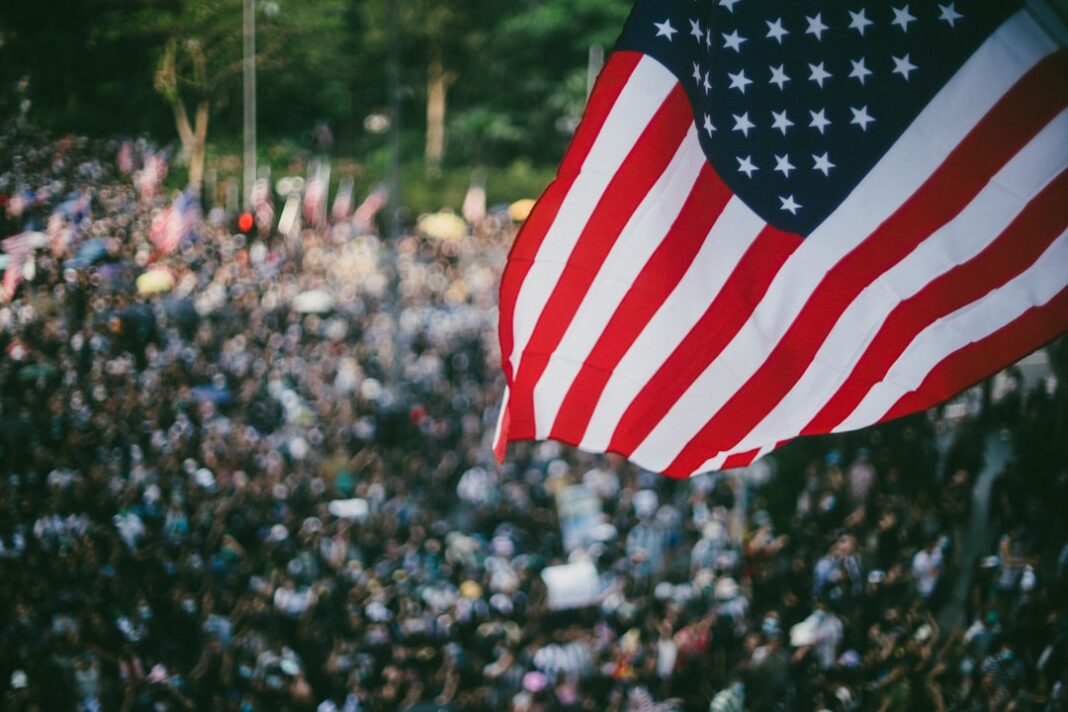
As the world grapples with issues like climate change, economic inequality, and social justice, the importance of politics has never been more pronounced. From the local city council to the national parliament, politics affects every aspect of our lives, shaping the decisions that impact our communities, our countries, and our planet. But have you ever stopped to think about the intricacies of the political system, the key players involved, and most importantly, your role in shaping the future? In this comprehensive guide, we’ll delve into the world of politics, exploring its complexities, and providing you with valuable insights to become a more informed and engaged citizen.
Understanding the Political System
The political system is a complex network of institutions, processes, and relationships that govern a country or state. It’s a framework that outlines the rules, laws, and norms that guide the behavior of citizens, politicians, and government officials. In a democratic system, power is vested in the people, who elect representatives to make decisions on their behalf. These representatives, in turn, are accountable to the people, ensuring that the government remains transparent, responsive, and responsible. However, the system is not without its flaws, and issues like corruption, bureaucratic red tape, and partisan politics can hinder its effectiveness. To navigate this system, it’s essential to understand the different branches of government, including the executive, legislative, and judicial, and how they interact with each other.
For instance, in the United States, the system of checks and balances ensures that no one branch of government has too much power. The executive branch, headed by the President, is responsible for enforcing laws, while the legislative branch, comprising Congress, makes laws. The judicial branch, composed of the Supreme Court and lower courts, interprets laws and ensures that they align with the Constitution. This delicate balance of power is crucial for preventing the abuse of authority and protecting individual rights. By understanding how the system works, you can better appreciate the importance of civic engagement, voting, and activism in shaping the direction of your country.
Key Players in Politics
Politics is not just about governments and institutions; it’s also about the people who shape the system. From politicians and activists to journalists and ordinary citizens, each player has a vital role to play in the political process. Politicians, for example, are responsible for making laws, implementing policies, and representing their constituents. They can be found at all levels of government, from local councilors to national leaders, and their actions can have a significant impact on the lives of citizens. Activists, on the other hand, are individuals who campaign for specific causes, such as environmental protection, human rights, or social justice. They often work outside the formal political system, using tactics like protests, boycotts, and awareness campaigns to bring attention to their issues.
Journalists and media outlets also play a critical role in politics, providing citizens with information, analysis, and commentary on current events. They help hold politicians accountable, expose corruption and wrongdoing, and facilitate public debate and discussion. However, the rise of fake news, propaganda, and disinformation has made it increasingly challenging for citizens to discern fact from fiction, highlighting the need for critical thinking, media literacy, and fact-checking. As a citizen, it’s essential to stay informed, evaluate sources critically, and engage with diverse perspectives to form a nuanced understanding of the issues that matter.
Your Role in Politics
So, what can you do to make a difference in the world of politics? The answer is simple: get involved. Voting is one of the most fundamental ways to participate in the democratic process, and it’s essential to exercise this right whenever possible. However, voting is just the beginning. You can also engage in activism, volunteering, and community organizing to raise awareness about issues that matter to you. Joining a political party, attending local council meetings, or participating in online forums can help you connect with like-minded individuals and stay informed about current events.
Another way to make a difference is to contact your representatives, express your opinions, and hold them accountable for their actions. You can write letters, sign petitions, or participate in peaceful protests to bring attention to your cause. Social media has also become a powerful tool for political engagement, allowing you to share information, mobilize support, and connect with others who share your passions. By using these channels effectively, you can amplify your voice, build a community, and create positive change.
Overcoming Challenges in Politics
Despite the importance of politics, many citizens feel disillusioned, disenfranchised, or disconnected from the system. Issues like voter suppression, gerrymandering, and money in politics can undermine the integrity of the democratic process, making it difficult for individuals to make their voices heard. Moreover, the rise of polarization, extremism, and populism has created a toxic atmosphere, where civil discourse and constructive debate are often replaced by hate speech, misinformation, and personal attacks.
To overcome these challenges, it’s essential to foster a culture of empathy, respect, and open-mindedness. This means engaging with diverse perspectives, listening to opposing views, and seeking common ground. It also requires a commitment to critical thinking, media literacy, and fact-based decision-making. By promoting these values, we can create a more inclusive, tolerant, and informed citizenry, capable of addressing the complex problems that face our world. Furthermore, we must support reforms that strengthen democratic institutions, protect individual rights, and ensure accountability in government.
Conclusion
In conclusion, politics is a complex, multifaceted, and dynamic system that affects every aspect of our lives. By understanding the system, key players, and your role in shaping the future, you can become a more informed, engaged, and active citizen. Remember that politics is not just about governments and institutions; it’s also about the people who participate, contribute, and demand change. As you navigate the world of politics, stay curious, stay informed, and stay committed to creating a better world for all. Key takeaways from this guide include:
- Understanding the political system, including its institutions, processes, and relationships
- Recognizing the role of key players, such as politicians, activists, journalists, and citizens
- Getting involved in politics through voting, activism, volunteering, and community organizing
- Overcoming challenges like polarization, misinformation, and voter suppression by promoting empathy, critical thinking, and fact-based decision-making
- Supporting reforms that strengthen democratic institutions, protect individual rights, and ensure accountability in government
By embracing these principles and taking action, you can help build a more just, equitable, and democratic society, where every voice is heard, and every individual has the opportunity to thrive.