

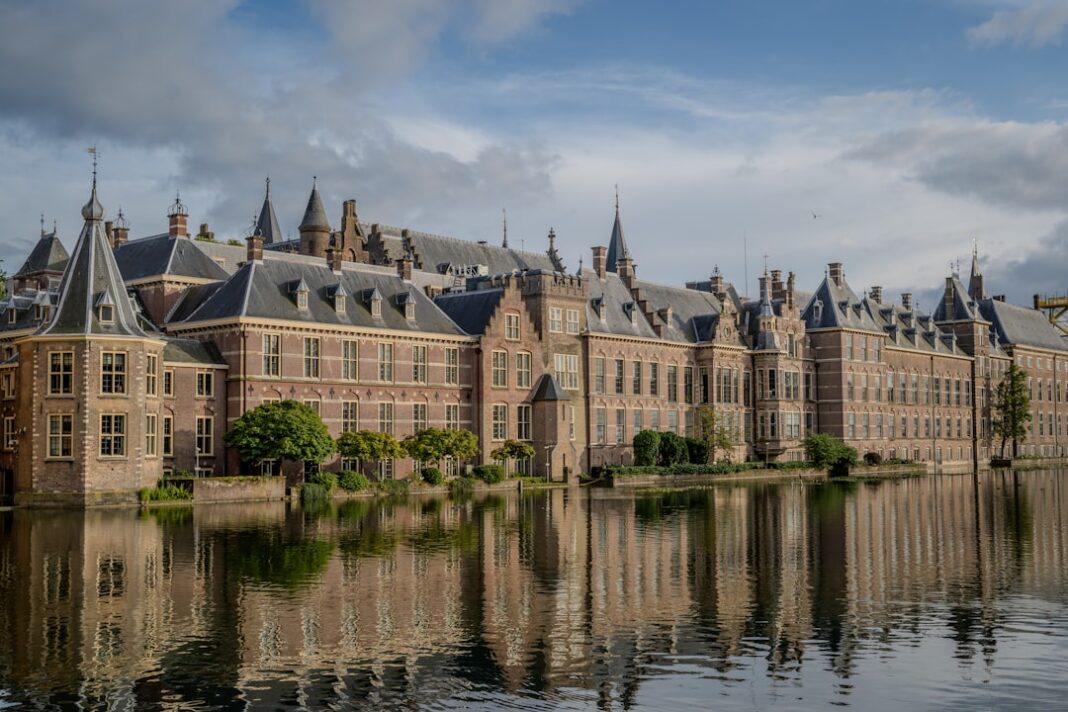
As the world grapples with the challenges of the 21st century, from climate change to economic inequality, the realm of politics has never been more pivotal. The decisions made by governments and policymakers have a direct impact on our daily lives, from the air we breathe to the jobs we hold. Yet, for many of us, the world of politics can seem daunting, a complex web of ideologies, parties, and interests that’s hard to navigate. But what if you could understand the intricacies of politics and make your voice heard in the process? In this comprehensive guide, we’ll delve into the world of politics, exploring its various facets, and providing you with the knowledge and tools to become an active participant in shaping the future of your community, country, and the world at large.
Understanding the Basics of Politics
To begin with, it’s essential to grasp the fundamental concepts of politics. Politics, in its simplest form, is the process of making decisions for a group of people. This can involve anything from local town hall meetings to international diplomacy. The study of politics, or political science, encompasses various subfields, including political theory, comparative politics, international relations, and public policy. Understanding these concepts is crucial for engaging with the political process, as it allows you to analyze information, evaluate policies, and participate in discussions with a deeper level of knowledge. Key terms like democracy, authoritarianism, liberalism, and conservatism are foundational to political discourse, and being familiar with them can significantly enhance your ability to navigate political conversations and debates.
Engaging with the Political Process
Engaging with the political process is more accessible than ever, thanks to the proliferation of digital media and social platforms. However, effective engagement goes beyond simply liking or sharing posts on social media. It involves staying informed about current events, understanding the stances of different political parties and candidates, and participating in local and national elections. Voting is one of the most direct ways to influence political outcomes, and it’s crucial to exercise this right whenever possible. Additionally, contacting your representatives, attending community meetings, and participating in peaceful protests or rallies can all be powerful ways to make your voice heard. In the digital age, online activism has also become a significant force, with platforms like change.org allowing individuals to start and support petitions on a wide range of issues. By leveraging these tools and strategies, you can contribute to the democratic process and help shape policy decisions that affect your community.
The Role of Media and Information in Politics
The media plays a critical role in shaping public opinion and influencing political discourse. With the rise of social media, the way we consume information has changed dramatically. News outlets, both traditional and digital, provide a vast array of perspectives on political issues. However, in an era marked by misinformation and disinformation, it’s vital to develop critical thinking skills to evaluate the credibility of sources and the information they present. This involves looking for fact-checking websites, verifying information through multiple sources, and being cautious of biased reporting. Furthermore, understanding the concept of media literacy can empower you to navigate the complex information landscape more effectively. By being discerning consumers of information, we can foster a more informed public discourse, which is essential for the health of any democracy.
Making a Difference: Activism and Community Engagement
Beyond the ballot box, there are numerous ways to engage in political activism and community service. Joining or volunteering with organizations that align with your values can provide a structured way to contribute to causes you care about. From environmental groups to social justice organizations, these entities often rely on volunteers to carry out their missions. Additionally, participating in advocacy campaigns, whether through letter-writing, phone-banking, or attending rallies, can raise awareness about important issues and pressure policymakers to take action. Community engagement at the local level is also crucial, as it can lead to tangible improvements in your immediate environment. By working together with your neighbors and local leaders, you can address issues such as education, public safety, and community development, ultimately building a stronger, more resilient community.
The Future of Politics: Challenges and Opportunities
As we look to the future, the challenges facing the political landscape are undeniable. Issues like political polarization, voter suppression, and the influence of money in politics threaten the integrity of democratic systems worldwide. However, these challenges also present opportunities for innovation and reform. The rise of grassroots movements, for instance, has shown that ordinary citizens can mobilize and effect change when they come together around a common cause. Moreover, technological advancements are opening up new avenues for political participation, from online voting systems to digital platforms for civic engagement. By embracing these opportunities and working to address the challenges, we can build a more inclusive, responsive, and effective political system that truly represents the will of the people.
In conclusion, the world of politics is complex and multifaceted, but it’s also an arena where every individual can make a difference. By understanding the basics of politics, engaging with the political process, critically evaluating information, and participating in activism and community engagement, you can become an active and informed citizen. Remember, the future of politics is not just about the leaders we elect, but about the collective actions we take to shape our societies and address the global challenges we face. So, stay informed, get involved, and make your voice heard – the power to create change is in your hands. Whether you’re a seasoned political veteran or just starting to explore the world of politics, every step you take towards engagement and activism contributes to a stronger, more just, and more equitable world for all.