

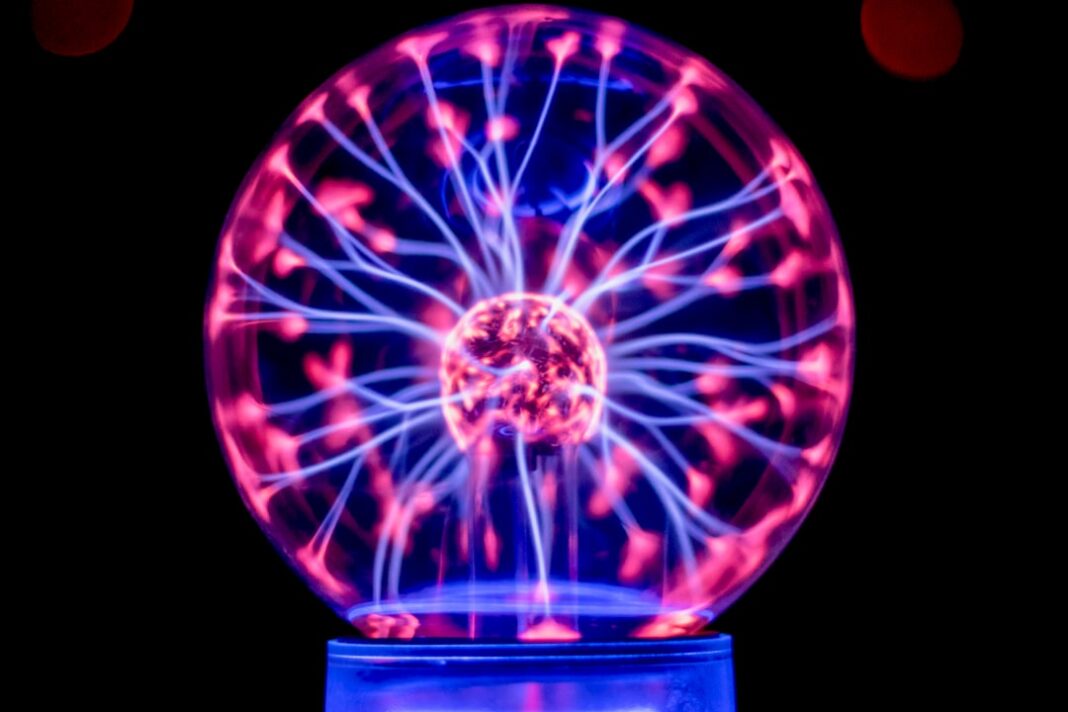
Science, the pursuit of knowledge and understanding of the natural world, has been a driving force behind human progress and innovation. From the intricate workings of the human body to the vast expanse of the cosmos, science has enabled us to uncover the secrets of the universe and improve our daily lives. As we embark on this journey of discovery, we find ourselves at the forefront of a revolution that is transforming the way we think, learn, and interact with the world around us. In this blog post, we will delve into the fascinating realm of science, exploring its various branches, applications, and the impact it has on our society.
The Branches of Science: Understanding the Foundations
Science is a vast and diverse field, comprising several branches that work together to provide a comprehensive understanding of the world. The main branches of science include biology, chemistry, physics, and Earth sciences. Biology, the study of living organisms, helps us understand the intricacies of life, from the molecular machinery of cells to the complex interactions within ecosystems. Chemistry, the study of matter and its properties, has led to numerous breakthroughs in fields such as medicine, materials science, and environmental conservation. Physics, the study of energy and matter, has enabled us to harness the power of the universe, from the energy generated by nuclear reactions to the development of cutting-edge technologies like quantum computing.
Each branch of science is interconnected, and advancements in one area often have a ripple effect, leading to breakthroughs in others. For instance, the discovery of the structure of DNA by James Watson and Francis Crick in 1953, a landmark in biology, relied heavily on principles from chemistry and physics. This synergy among the sciences is a testament to the holistic nature of scientific inquiry and underscores the importance of interdisciplinary research.
The Application of Science: Transforming Our World
The applications of science are myriad and have revolutionized virtually every aspect of our lives. In medicine, scientific research has led to the development of vaccines, antibiotics, and treatments for diseases that were once considered incurable. The field of technology, heavily influenced by physics and chemistry, has given us computers, smartphones, and the internet, transforming the way we communicate, work, and entertain ourselves. Environmental science, a blend of biology, chemistry, and Earth sciences, helps us understand and mitigate the impact of human activities on the planet, from climate change to conservation of biodiversity.
Moreover, the application of scientific principles in agriculture has improved crop yields, disease resistance, and water efficiency, ensuring food security for a growing global population. The aerospace industry, rooted in physics and engineering, has enabled space exploration, providing insights into the cosmos and the potential for resource utilization beyond Earth. These examples illustrate the profound impact of science on our daily lives, from the food we eat to the technologies we use, and highlight the critical role science plays in addressing global challenges.
The Future of Science: Challenges, Opportunities, and the Role of Technology
As we look to the future, science faces both unprecedented challenges and opportunities. The ongoing pandemic has underscored the importance of scientific research in public health, while climate change and environmental degradation call for urgent action based on scientific evidence. The integration of technology, particularly artificial intelligence (AI) and data analytics, into scientific research is poised to accelerate discovery, enabling scientists to analyze vast amounts of data, simulate complex systems, and predict outcomes with greater accuracy.
Moreover, the future of science will be shaped by its accessibility and inclusivity. Open science initiatives aim to make scientific knowledge and methods accessible to everyone, fostering a global community of researchers and facilitating collaboration across borders. The role of education in promoting scientific literacy and inspiring the next generation of scientists and thinkers is also paramount. By embracing diversity and ensuring that science reflects the needs and perspectives of all societies, we can harness its full potential to create a more equitable, sustainable, and enlightened world.
Science Education and Literacy: Empowering the Next Generation
Science education is fundamental to nurturing a society that values knowledge, critical thinking, and innovation. By introducing scientific concepts and methods early in the educational curriculum, we can spark curiosity and interest in science among young minds. Hands-on experiments, project-based learning, and real-world applications can make science more engaging and relevant, dispelling the notion that science is dry or inaccessible.
Furthermore, promoting science literacy among the general public is essential for informed decision-making and civic engagement. Science literacy involves not only understanding scientific facts but also appreciating the process of scientific inquiry, the provisional nature of scientific knowledge, and the ethical implications of scientific advancements. By fostering a scientifically literate community, we can ensure that the benefits of science are shared by all and that its applications are guided by wisdom, responsibility, and a deep respect for human dignity and the environment.
Conclusion: The Power of Science in Shaping Our Future
In conclusion, science is a powerful tool that has the potential to solve some of humanity’s most pressing challenges. Through its various branches and applications, science has improved our understanding of the world and transformed our lives in countless ways. As we move forward, it is crucial that we continue to support scientific research, promote science education and literacy, and harness the power of technology to accelerate discovery and innovation.
The future of science is bright, filled with promise and possibility. By embracing science and its values—curiosity, skepticism, and a commitment to evidence—we can build a better future, one that is grounded in knowledge, driven by innovation, and guided by a deep respect for the natural world and our place within it. As we embark on this journey, we are reminded of the profound impact that science can have on our lives and the importance of continuing to explore, discover, and push the boundaries of human knowledge.