

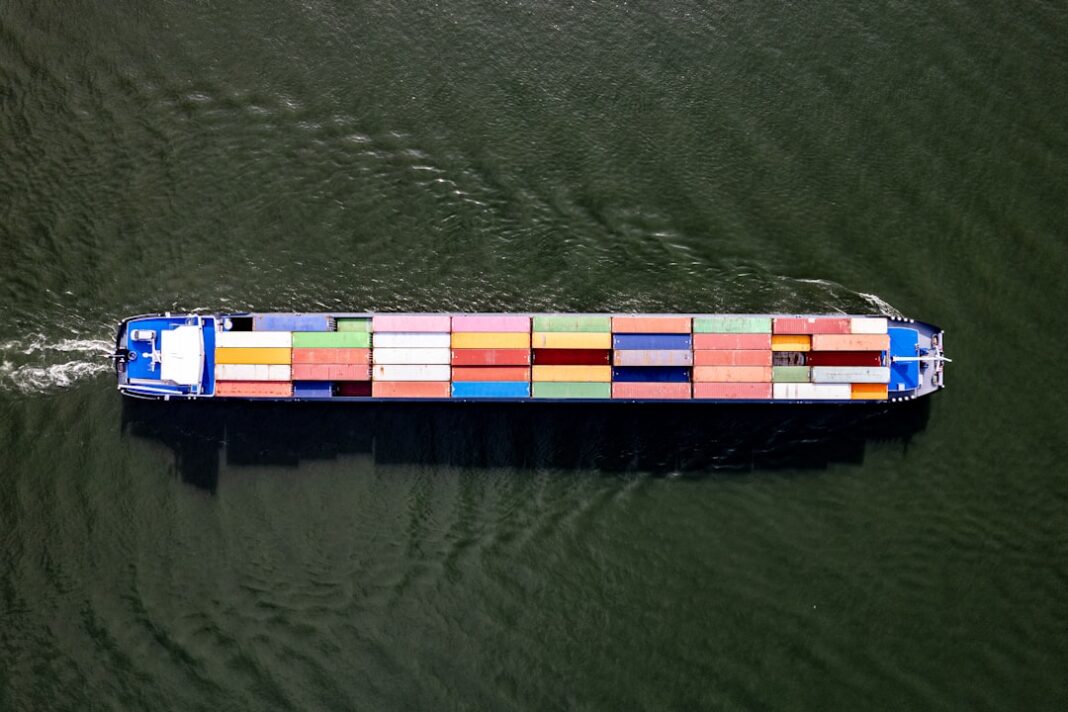
In today’s interconnected world, the term “global” has become an integral part of our daily lives. From global warming to global markets, the concept of global has far-reaching implications that affect us all. But what does it mean to be global, and how is this concept shaping the world we live in? As we navigate the complexities of modern society, it’s essential to understand the significance of global and its impact on our economies, cultures, and environments. In this blog post, we’ll delve into the world of global, exploring its meaning, benefits, and challenges, as well as providing valuable insights on how to thrive in a globalized world.
What is Global, and Why Does it Matter?
The term “global” refers to something that is related to or affects the entire world. In the context of business, economics, and culture, global refers to a phenomenon that transcends national borders, connecting people, markets, and ideas across the globe. The rise of globalization has led to increased international trade, cultural exchange, and economic interdependence among nations. This, in turn, has created new opportunities for growth, innovation, and cooperation. However, it also poses significant challenges, such as environmental degradation, social inequality, and cultural homogenization. As we navigate the complexities of global, it’s crucial to understand the benefits and drawbacks of this concept and how it affects our daily lives.
The Benefits of Global: Opportunities for Growth and Cooperation
The global economy has created numerous opportunities for businesses, entrepreneurs, and individuals to connect with people and markets worldwide. International trade has increased exponentially, with global trade valued at over $22 trillion in 2020. This has led to the creation of new jobs, industries, and opportunities for economic growth. Moreover, global cultural exchange has enriched our lives, introducing us to new ideas, traditions, and perspectives. The internet and social media have further facilitated global communication, enabling people to connect with others across the globe and share their experiences, knowledge, and cultures. However, it’s essential to recognize that these benefits are not evenly distributed, and some individuals and communities may face significant challenges in accessing global opportunities.
The Challenges of Global: Environmental, Social, and Economic Concerns
While the benefits of global are undeniable, there are also significant challenges associated with this concept. One of the most pressing concerns is environmental degradation, as global production and consumption patterns have led to increased greenhouse gas emissions, deforestation, and pollution. The World Health Organization (WHO) estimates that environmental degradation is responsible for over 13 million deaths worldwide each year. Furthermore, global social inequality is a significant issue, with some individuals and communities facing exploitation, marginalization, and exclusion from global opportunities. The economic benefits of global are also not evenly distributed, with some nations and corporations accumulating vast wealth while others struggle to survive. To address these challenges, it’s essential to adopt sustainable practices, promote social justice, and ensure that the benefits of global are shared equitably among all stakeholders.
Thriving in a Globalized World: Strategies for Success
So, how can individuals and organizations thrive in a globalized world? The key to success lies in embracing diversity, adapting to change, and developing a global mindset. This involves being open to new ideas, cultures, and perspectives, as well as being willing to learn and innovate. In the business world, companies can benefit from global market research, international marketing strategies, and diversity management practices. Individuals can also develop a global mindset by learning new languages, traveling, and engaging with people from diverse cultural backgrounds. Furthermore, adopting sustainable practices, such as reducing carbon emissions and promoting social responsibility, can help mitigate the negative impacts of global and create a more equitable and just world.
Conclusion: Key Takeaways and Future Directions
In conclusion, the concept of global is complex and multifaceted, offering both opportunities and challenges for modern society. As we navigate the complexities of global, it’s essential to understand the benefits and drawbacks of this concept and how it affects our daily lives. By embracing diversity, adapting to change, and developing a global mindset, individuals and organizations can thrive in a globalized world. Moreover, by adopting sustainable practices and promoting social justice, we can create a more equitable and just world for all. The future of global is uncertain, but one thing is clear: our ability to navigate and shape this concept will determine the course of human history. As we move forward, it’s crucial to prioritize global cooperation, sustainability, and social responsibility, ensuring that the benefits of global are shared by all and that our planet is protected for future generations. By working together, we can create a brighter, more prosperous future for all, and make the concept of global a force for good in the world.