

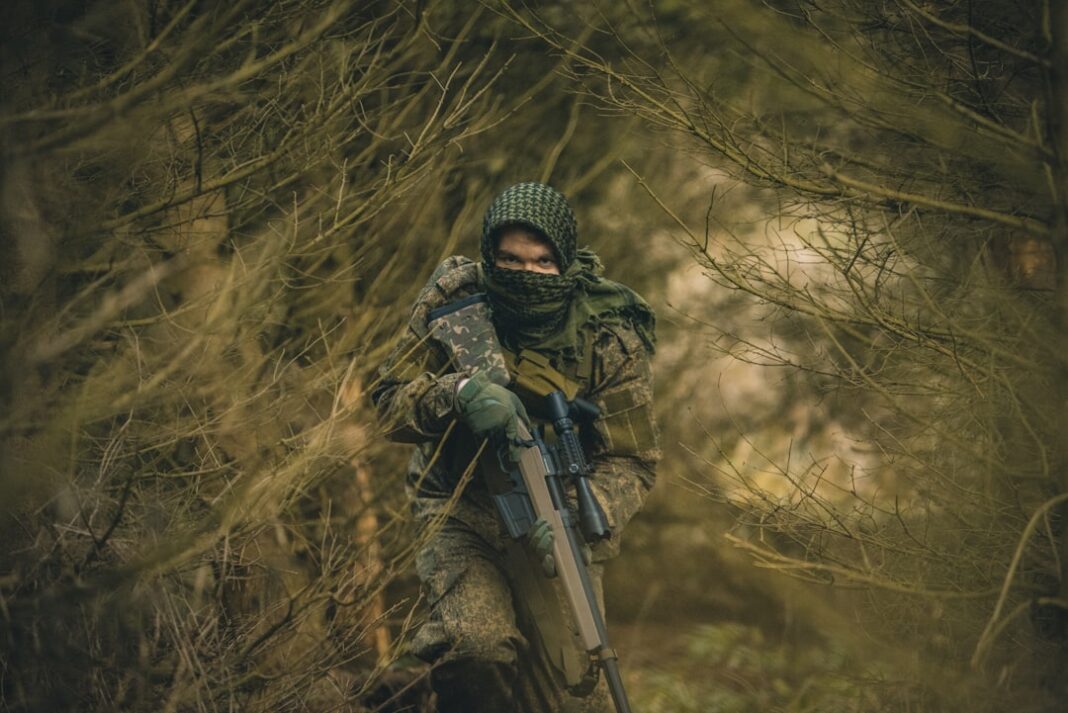
The military is an integral part of any country’s defense system, playing a vital role in maintaining national security and protecting its citizens. With a rich history dating back to ancient times, the military has evolved significantly over the years, adapting to new technologies and strategies. From the courageous soldiers who fought in World War I and II to the modern-day warriors who serve in various branches, the military has always been a symbol of bravery, discipline, and sacrifice. In this comprehensive guide, we will delve into the history of the military, explore its different branches, and discuss the various career opportunities available to those who wish to serve.
History of the Military
The history of the military is a long and complex one, spanning thousands of years. From the ancient civilizations of Egypt, Greece, and Rome to the modern-day armies of the world, the military has undergone significant transformations over time. The earliest recorded evidence of military activity dates back to around 3000 BC, during the Mesopotamian Wars. As civilizations evolved and expanded, so did their military capabilities, with the development of new technologies, tactics, and strategies. The modern military, however, is a relatively recent phenomenon, with the establishment of professional armies and navies in the 18th and 19th centuries.
The 20th century saw two devastating world wars, which had a profound impact on the military and its role in international relations. The Cold War, which followed, led to a significant buildup of military forces and the development of new technologies, including nuclear weapons and space exploration. Today, the military continues to play a crucial role in maintaining global security, with a focus on counter-terrorism, cybersecurity, and humanitarian operations. As we move forward in an increasingly complex and interconnected world, the military must adapt to new challenges and threats, leveraging advances in technology, such as artificial intelligence, drones, and robotics, to stay ahead of the curve.
Branches of the Military
The military is divided into several branches, each with its unique role, responsibilities, and culture. The main branches of the military include:
- Army: The army is the largest branch of the military, responsible for land-based operations. It is divided into several specialties, including infantry, artillery, engineering, and logistics.
- Navy: The navy is responsible for naval operations, including sea-based defense, amphibious assaults, and humanitarian operations. It is divided into several specialties, including surface warfare, submarines, and aviation.
- Air Force: The air force is responsible for air-based operations, including combat, transport, and reconnaissance. It is divided into several specialties, including fighter pilots, bombers, and airlift.
- Marine Corps: The marine corps is a branch of the navy, responsible for amphibious operations, including assaults, raids, and humanitarian operations.
- Coast Guard: The coast guard is a branch of the navy, responsible for maritime law enforcement, search and rescue, and environmental protection.
- Cybersecurity: The military is seeking individuals with expertise in cybersecurity to protect its networks and systems from cyber threats.
- Intelligence: The military relies on intelligence specialists to gather and analyze information, providing critical support to operations and decision-making.
- Healthcare: The military offers a range of healthcare careers, including medicine, nursing, and dentistry, providing individuals with the opportunity to serve and make a difference in the lives of others.
- Aviation: The military is seeking individuals with a passion for aviation, including pilots, mechanics, and air traffic controllers.
- Engineering: The military relies on engineers to design, develop, and maintain its equipment, systems, and infrastructure.
- Basic Training: Basic training, also known as boot camp, is the initial training program for new recruits, providing them with the skills and knowledge they need to become effective soldiers.
- Advanced Training: Advanced training programs provide personnel with specialized skills and knowledge, including language training, intelligence analysis, and leadership development.
- Education Assistance: The military offers education assistance programs, including the GI Bill, which provides financial support to personnel who wish to pursue higher education.
- Professional Development: The military offers a range of professional development opportunities, including leadership training, mentorship programs, and career counseling.
- The military has a rich history dating back to ancient times, with significant transformations over the years.
- The military is divided into several branches, each with its unique role, responsibilities, and culture.
- The military offers a wide range of career opportunities, both for enlisted personnel and officers.
- The military provides education and training programs to develop the skills and knowledge of its personnel.
- The military offers a range of benefits, including education assistance, healthcare, and housing, making it an attractive option for individuals who wish to serve their country and advance their careers.
Each branch has its unique culture, traditions, and requirements, and individuals who wish to join the military must choose the branch that best aligns with their skills, interests, and goals.
Career Opportunities in the Military
The military offers a wide range of career opportunities, both for enlisted personnel and officers. From combat roles to support services, the military provides individuals with the chance to develop new skills, gain valuable experience, and serve their country. Some of the most in-demand careers in the military include:
In addition to these careers, the military also offers a range of benefits, including education assistance, healthcare, and housing, making it an attractive option for individuals who wish to serve their country and advance their careers.
Education and Training in the Military
The military is committed to providing its personnel with the education and training they need to succeed in their careers. From basic training to advanced education, the military offers a range of programs and opportunities, including:
By investing in the education and training of its personnel, the military is able to develop a highly skilled and effective workforce, capable of meeting the challenges of an increasingly complex and dynamic world.
Conclusion
In conclusion, the military is a vital institution that plays a critical role in maintaining national security and protecting its citizens. With a rich history, diverse branches, and a range of career opportunities, the military offers individuals the chance to serve their country, develop new skills, and advance their careers. Whether you are interested in combat roles, support services, or healthcare, the military has something to offer. By understanding the history, branches, and career opportunities available in the military, individuals can make informed decisions about their future and take the first step towards a rewarding and challenging career. Key takeaways from this guide include: