
As we go about our daily lives, it’s easy to take for granted the freedoms we enjoy and the security that comes with living in a stable country. But have you ever stopped to think about the individuals who put their lives on the line to protect us and our way of life? The military is an integral part of any country’s defense system, and its importance cannot be overstated. From defending against external threats to providing humanitarian aid, the military plays a vital role in shaping the world we live in. In this blog post, we’ll delve into the world of the military, exploring its history, structure, and impact on society.
What is the Military and How Does it Work?
The military, also known as the armed forces, is a group of trained personnel who are responsible for defending a country against external threats, maintaining law and order, and providing humanitarian aid in times of need. The military is typically divided into several branches, including the army, navy, air force, and marine corps, each with its own unique responsibilities and areas of expertise. For example, the army is responsible for land-based operations, while the navy is responsible for sea-based operations. The military is also made up of different ranks, with officers holding positions of leadership and enlisted personnel making up the majority of the force.
In addition to its defensive role, the military also plays a critical role in disaster response and humanitarian aid. Military personnel are often called upon to provide assistance in the aftermath of natural disasters, such as hurricanes, earthquakes, and floods. They may also be involved in peacekeeping missions, where they work to maintain stability and security in conflict-affected areas. The military’s role in humanitarian aid is a testament to its commitment to protecting human life and promoting global stability.
The History of the Military and its Evolution Over Time
The military has a rich and varied history that spans thousands of years. From ancient civilizations such as the Egyptians, Greeks, and Romans, to modern-day militaries, the concept of a standing army has been a cornerstone of national defense. Over time, the military has evolved to incorporate new technologies, tactics, and strategies, from the introduction of firearms and artillery to the development of advanced fighter jets and drones.
One of the most significant developments in the history of the military has been the introduction of professional armies. Prior to the modern era, armies were often made up of conscripts or mercenaries, who were not always reliable or effective. The development of professional armies, where soldiers are trained and paid to serve, has allowed countries to maintain a high level of military readiness and respond quickly to emerging threats.
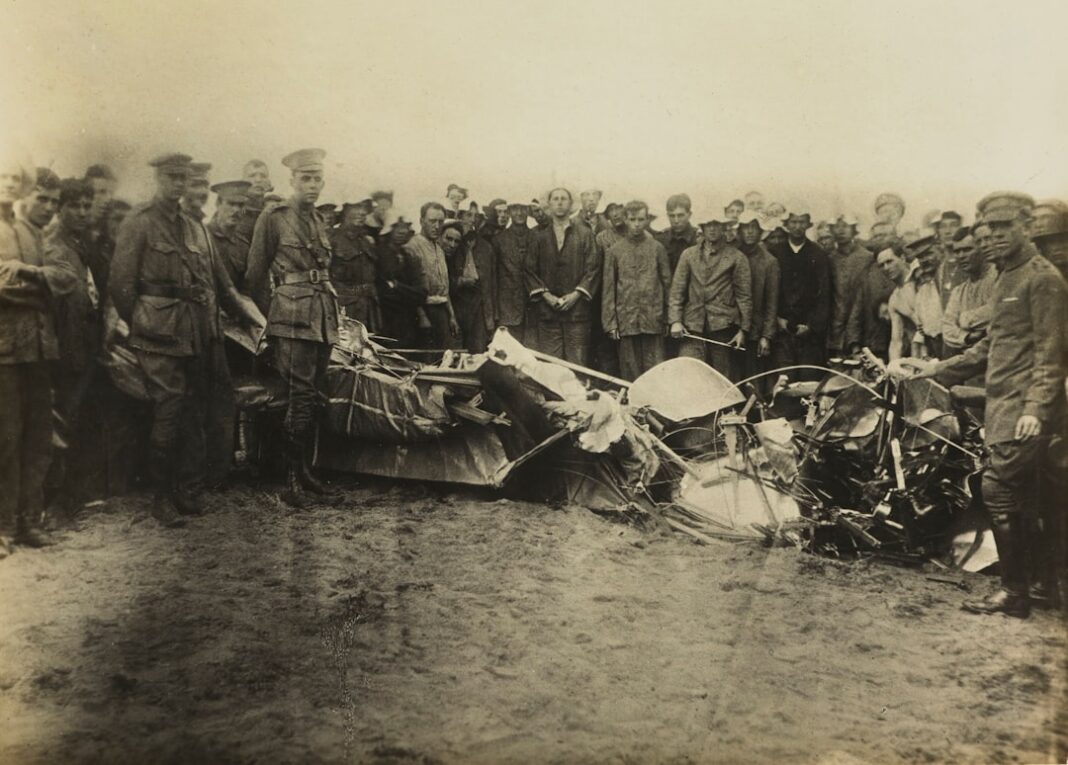
The military has also played a significant role in shaping the course of human history. From the battles of World War I and II to the Gulf War and the War on Terror, the military has been instrumental in determining the outcome of conflicts and shaping the global balance of power. The military’s impact on society extends beyond the battlefield, however, with many military personnel going on to become leaders in politics, business, and other fields.
The Impact of the Military on Society and the Economy
The military has a significant impact on society and the economy, both positively and negatively. On the positive side, the military provides a sense of security and stability, which is essential for economic growth and development. The military also plays a critical role in disaster response and humanitarian aid, providing assistance to those in need and helping to mitigate the effects of natural disasters.
However, the military also has a significant economic cost. The production and maintenance of military equipment, the training and deployment of personnel, and the provision of benefits and services to veterans all require significant investment. According to the Stockholm International Peace Research Institute (SIPRI), global military spending reached $1.9 trillion in 2020, with the United States accounting for over 30% of total spending.
The military also has a significant social impact, with many military personnel and their families making significant sacrifices in the service of their country. Military personnel often face unique challenges, including deployment to combat zones, separation from family and friends, and the risk of injury or death. The military’s impact on society extends beyond the military community, however, with many military values, such as discipline, loyalty, and selflessness, being highly valued in civilian life.
The Future of the Military and Emerging Trends
As the world becomes increasingly interconnected and complex, the military is facing new challenges and opportunities. The rise of emerging technologies, such as artificial intelligence, cybersecurity, and drones, is transforming the nature of modern warfare and requiring militaries to adapt and evolve.
One of the most significant trends in modern military affairs is the shift towards asymmetric warfare. Asymmetric warfare refers to conflicts where one side has a significant advantage in terms of conventional military power, but the other side uses unconventional tactics, such as guerrilla warfare and terrorism, to counter this advantage. The military’s ability to respond to asymmetric threats will be critical in the years to come, as conflicts become increasingly complex and multifaceted.
Another key trend is the growing importance of cybersecurity. As militaries become increasingly reliant on digital technologies, they are also becoming more vulnerable to cyber threats. The military’s ability to protect its networks and systems from cyber attacks will be critical in the years to come, as the consequences of a successful cyber attack could be devastating.
In conclusion, the military plays a vital role in defending our country and promoting global stability. From its rich history to its modern-day applications, the military is an integral part of our society and our economy. As the world becomes increasingly complex and interconnected, the military will face new challenges and opportunities, and it will be critical for militaries to adapt and evolve in order to remain effective. Whether you’re a military personnel, a veteran, or simply a concerned citizen, it’s essential to understand the importance of the military and its impact on our lives.
Key takeaways:
- The military is a critical component of national defense and global stability
- The military has a rich and varied history, from ancient civilizations to modern-day militaries
- The military plays a significant role in disaster response and humanitarian aid
- The military has a significant economic and social impact, both positively and negatively
- The future of the military will be shaped by emerging trends, including asymmetric warfare and cybersecurity.