
As we go about our daily lives, it’s easy to take for granted the freedoms we enjoy and the security that comes with living in a stable society. But have you ever stopped to think about the brave men and women who put their lives on the line to protect us and our way of life? The military is an integral part of any country’s defense system, and its importance cannot be overstated. In this blog post, we’ll delve into the world of the military, exploring its history, structure, and the various roles it plays in maintaining global peace and security. Whether you’re a history buff, a patriot, or simply someone interested in learning more about the military, this post is for you.
A Brief History of the Military
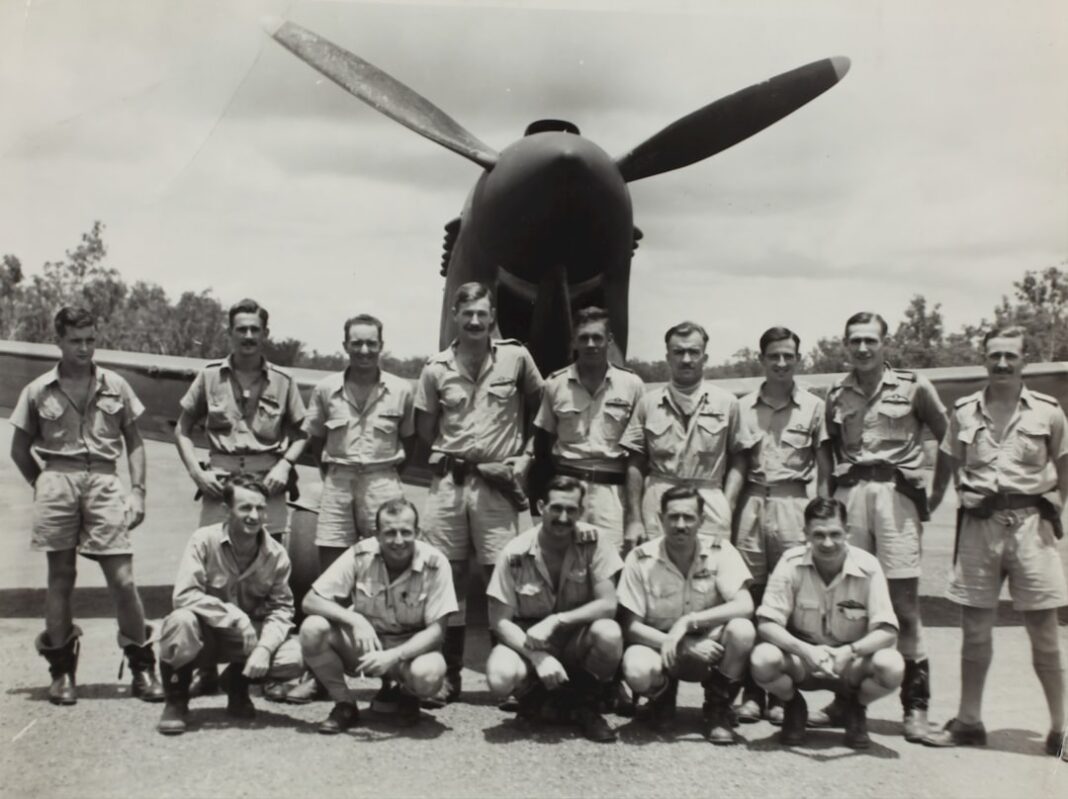
The military has a rich and varied history that spans thousands of years, with evidence of organized armies dating back to ancient civilizations such as Egypt, Greece, and Rome. Over time, the military has evolved to incorporate new technologies, tactics, and strategies, from the introduction of gunpowder and artillery to the development of modern-day drones and cybersecurity capabilities. Throughout history, the military has played a crucial role in shaping the course of human events, from the outcome of wars and battles to the rise and fall of empires. Today, the military continues to be a vital institution, with many countries maintaining large and well-equipped armed forces to protect their interests and defend their territories.
In modern times, the military has become increasingly complex and sophisticated, with a wide range of specialized units and branches. These include the army, navy, air force, and marine corps, each with its own unique role and responsibilities. The military also works closely with other government agencies, such as intelligence services and law enforcement, to gather information, conduct operations, and respond to emerging threats. With the rise of asymmetric warfare and terrorism, the military has had to adapt and evolve to meet new challenges, from counterinsurgency and counterterrorism to humanitarian assistance and disaster relief.
The Structure and Organization of the Military
So, how is the military structured and organized? The answer to this question varies from country to country, but most militaries follow a similar hierarchical model. At the top of the chain of command is the commander-in-chief, typically the head of state or government, who sets overall strategy and direction. Below the commander-in-chief are the various branches of the military, each with its own leadership and command structure. These branches are further divided into smaller units, such as divisions, regiments, and battalions, which are responsible for carrying out specific missions and tasks.
The military also has a system of ranks and grades, which reflect a soldier’s level of experience, training, and responsibility. These ranks range from junior enlisted personnel, such as privates and seamen, to senior officers, such as generals and admirals. In between are non-commissioned officers (NCOs), who serve as leaders and mentors to junior personnel, and commissioned officers, who hold positions of authority and command. The military also has a number of specialized careers and fields, such as medicine, engineering, and intelligence, which require advanced education and training.
The Role of the Military in Modern Society
So, what role does the military play in modern society? The answer to this question is complex and multifaceted. On the one hand, the military is responsible for defending a country’s borders and interests, both at home and abroad. This includes deterring aggression, responding to threats, and conducting military operations to protect national security. The military also plays a critical role in maintaining global stability and peace, through participation in international organizations and alliances, such as NATO and the United Nations.
On the other hand, the military is also involved in a range of non-traditional activities, such as humanitarian assistance and disaster relief. In the aftermath of natural disasters, such as hurricanes and earthquakes, the military is often called upon to provide aid and support to affected communities. The military also plays a role in promoting economic development and stability, through activities such as infrastructure construction and job training. In addition, the military is a major employer and economic driver, generating billions of dollars in revenue and supporting thousands of jobs.
The Challenges and Opportunities Facing the Military
As the military looks to the future, it faces a number of challenges and opportunities. One of the biggest challenges is the rise of new and emerging threats, such as cyber warfare and terrorism. These threats require the military to be agile and adaptable, with the ability to respond quickly and effectively to changing circumstances. The military must also invest in new technologies and capabilities, such as artificial intelligence and hypersonic weapons, to stay ahead of the curve.
Another challenge facing the military is the need to balance its budget and resources with the demands of modern warfare. The military must prioritize its spending and investments, focusing on the most critical capabilities and systems. At the same time, the military must also take care of its personnel, providing them with the training, equipment, and support they need to succeed. This includes addressing issues such as PTSD and mental health, as well as promoting diversity and inclusion within the ranks.
In conclusion, the military is a vital institution that plays a critical role in maintaining global peace and security. From its rich history to its modern-day structure and organization, the military is a complex and fascinating topic that deserves our respect and appreciation. Whether you’re a soldier, a veteran, or simply a concerned citizen, it’s essential to understand the importance of the military and its role in protecting our freedoms and way of life. So next time you see a soldier in uniform, take a moment to thank them for their service and sacrifice. Their bravery and dedication are what make our world a safer and more secure place.
Key takeaways:
- The military has a rich and varied history that spans thousands of years
- The military is structured and organized in a hierarchical model, with a system of ranks and grades
- The military plays a critical role in maintaining global stability and peace, through participation in international organizations and alliances
- The military faces a number of challenges and opportunities, including the rise of new and emerging threats and the need to balance its budget and resources
- The military is a vital institution that deserves our respect and appreciation, and its personnel should be thanked and recognized for their service and sacrifice.